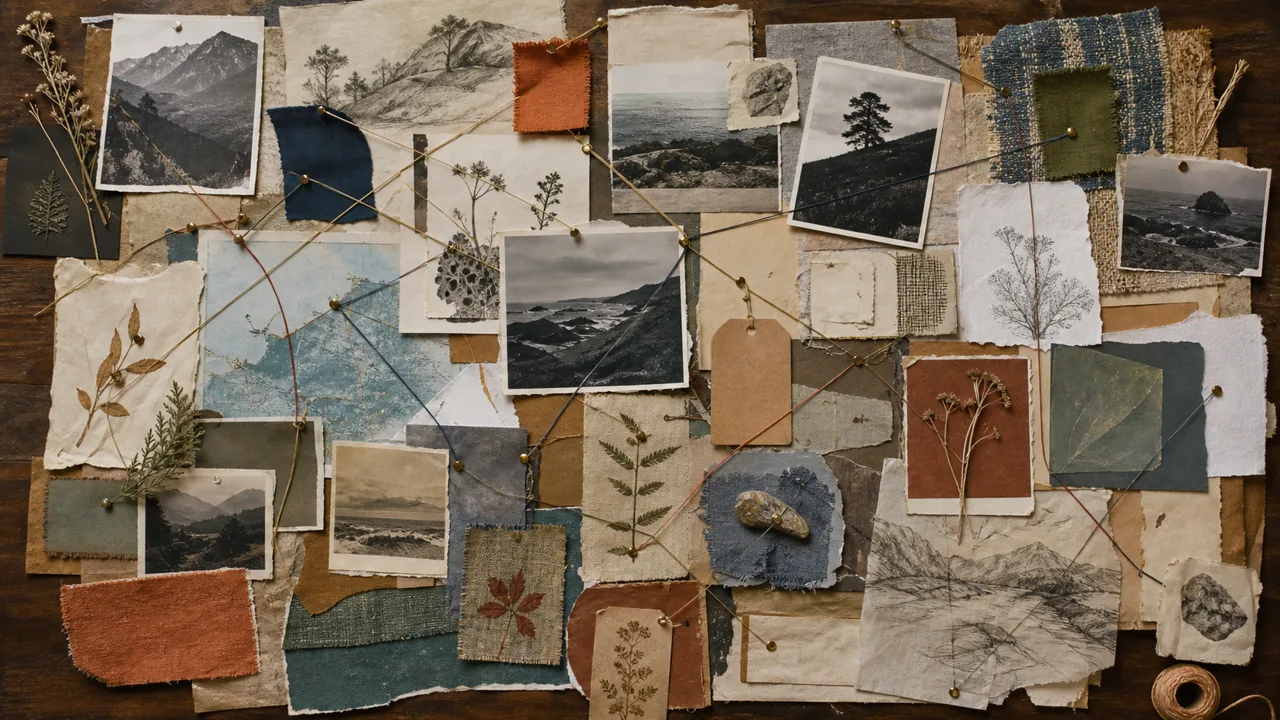
Are.na is a quiet tool for collecting and connecting research material. Rather than a linear note or algorithmic feed, it works with blocks - links, images, text, PDFs, uploads, and embeds - organised into thematic channels. The result is not a ready-made answer but a traceable collection of material that can grow over weeks or years.
Its strength is curated context. A block can appear in several channels, keeping connections between topics visible. That suits design research, teaching, editorial work, artistic practice, and early product discovery when a team does not want to force everything into a database or presentation too soon.
Who is it for?
Are.na suits individuals and small teams collecting sources, references, and loose ideas without turning them into tasks immediately. Good uses include visual research, reading and link lists, project moodboards, editorial groundwork, and workshop knowledge collections.
It is less suitable as a central project manager, CRM, or formal knowledge base with complex roles and approvals. Teams needing binding tasks, version sign-off, or heavily structured metadata should pair Are.na with a system built for that purpose.
What it does in daily work
- Blocks and channels: Links, images, text, files, and embeds become reusable building blocks that can live in more than one context.
- Private, closed, and public spaces: Channels can remain personal, be shared with collaborators, or deliberately published openly.
- Collaborative curation: Colleagues and external partners can contribute to selected channels instead of losing material in chat.
- Browser and mobile capture: Findings can be saved while reading without breaking the research flow.
- Search and views: Premium features such as advanced filters, table view, and presentation mode help with larger collections.
- Export and API: Are.na says channels can be exported as PDF, ZIP, or HTML and displayed elsewhere through its API.
A good start for real research
Do not begin with a channel called "inspiration." Write a question, for example: "Which interaction patterns make a mobile knowledge collection feel trustworthy?" Create three to five subchannels - examples, counterexamples, sources, open questions - and agree that every block gets a short note: why was it saved, and what does it not prove?
Review the collection once a week. Remove duplicates, dead links, and pure decoration; connect strong blocks or turn them into a working brief. This keeps Are.na a thinking space rather than an endless bookmark graveyard.
Editorial Assessment
Are.na is particularly good for work that does not yet know what its final output will be. It protects detours, comparisons, and connections between different findings better than many productivity-optimised tools. That can materially improve creative and specialist research.
We would recommend Are.na as a shared research studio, provided source handling stays clear. A saved link is not a verified claim; primary sources, dates, and an editorial interpretation still matter before publication or decisions. Public channels also should not accidentally contain confidential screenshots or client material.
Permissions, export, and cost
Channels can be private, closed, or public. Decide that setting at project start and check it again before every release. Copyright, licensing, and personal data still matter in private research: a link is generally a reference, while an uploaded work may have different rights implications.
The provider offers a free Guest entry with a block limit and paid memberships with more capacity and features. For long-lived projects, export and a clear local archive matter more than the monthly price: test whether PDF, ZIP, or HTML preserve the research in a form that still makes sense without an active account.
Open frequently asked questions
FAQ
Is Are.na a replacement for Notion or a project tool?
Not completely. Are.na is designed for collecting, connecting, and curation. Tasks, databases, approvals, and operational documentation usually need a complementary system.
Can we share content with a team?
Yes. Channels can be closed and shared with collaborators or made public. Set visibility deliberately before the first upload.
How can we avoid research chaos?
Each channel needs a question or criterion, and important blocks need a note in your own words. Short, regular editorial reviews work better than a massive cleanup later.
Can a collection be exported?
Are.na states that channels can be exported as PDF, ZIP, and HTML. Test a real export early if the collection is important to a project or long-term archive.